
CO-EYE Hardwares
Ultra-high Security And Reliability Powered By Innovation-Driven Electronic Monitoring Technologies Over 15 Years.
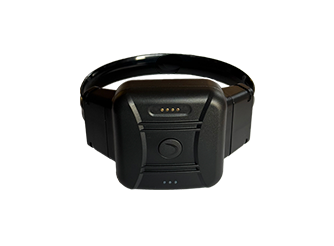
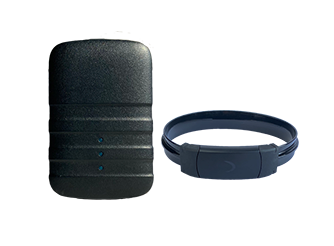
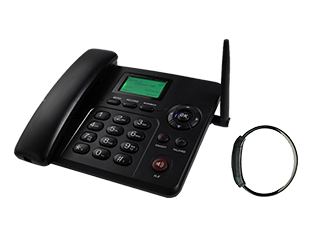

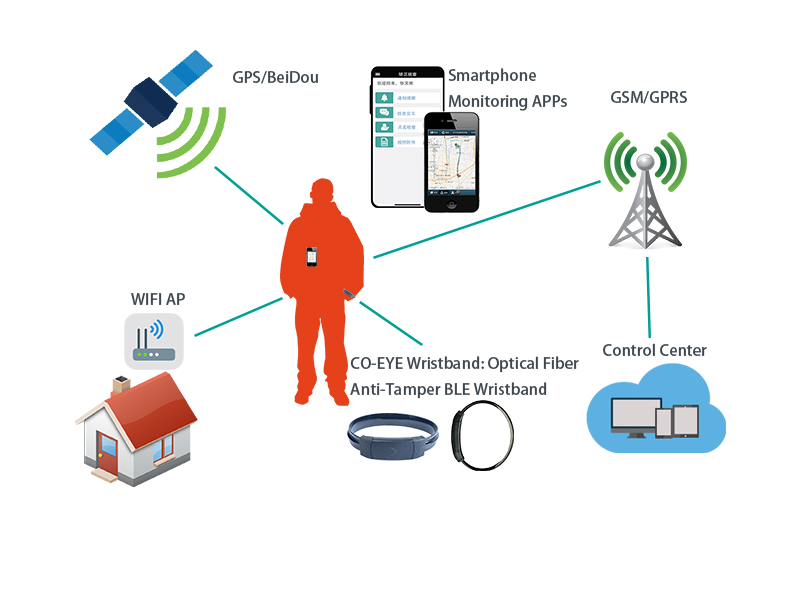

ONE-STOP MONITORING SOLUTION
CO-EYE suits implement 100% monitoring coverage for all of offenders
Offer multiple cost-effective monitoring devices in unified platform to cover high-risk / middle-risk /low- risk levels of offender and victim protection.




GPS ankle monitoring costs agencies $5-15 per offender per day, compared to $137-$550 per day for pretrial detention. Washington DC documented total annual EM costs of approximately $750 per participant. The true cost includes device hardware, monitoring platform fees, cellular data, strap replacements, false alert labor, and staff overhead — with false alert labor often exceeding hardware costs in programs using high-false-positive tamper detection.
Selecting an ankle monitor vendor requires evaluating six weighted criteria: anti-tamper technology reliability (30%), total cost of ownership including false alert labor (25%), monitoring platform capabilities (20%), field deployment track record (15%), and training/implementation support (10%). This guide provides a scoring framework agencies can adapt for RFP evaluation committees.
Ankle monitor tamper detection uses three main technologies: optical fiber straps that detect any cut attempt with near-zero false alarms, heart rate sensors that confirm skin contact but produce frequent false positives, and capacitive sensors that measure body proximity but are susceptible to environmental interference. Optical fiber provides deterministic binary detection — the strap is either intact or severed — making it the most reliable method for criminal justice applications.